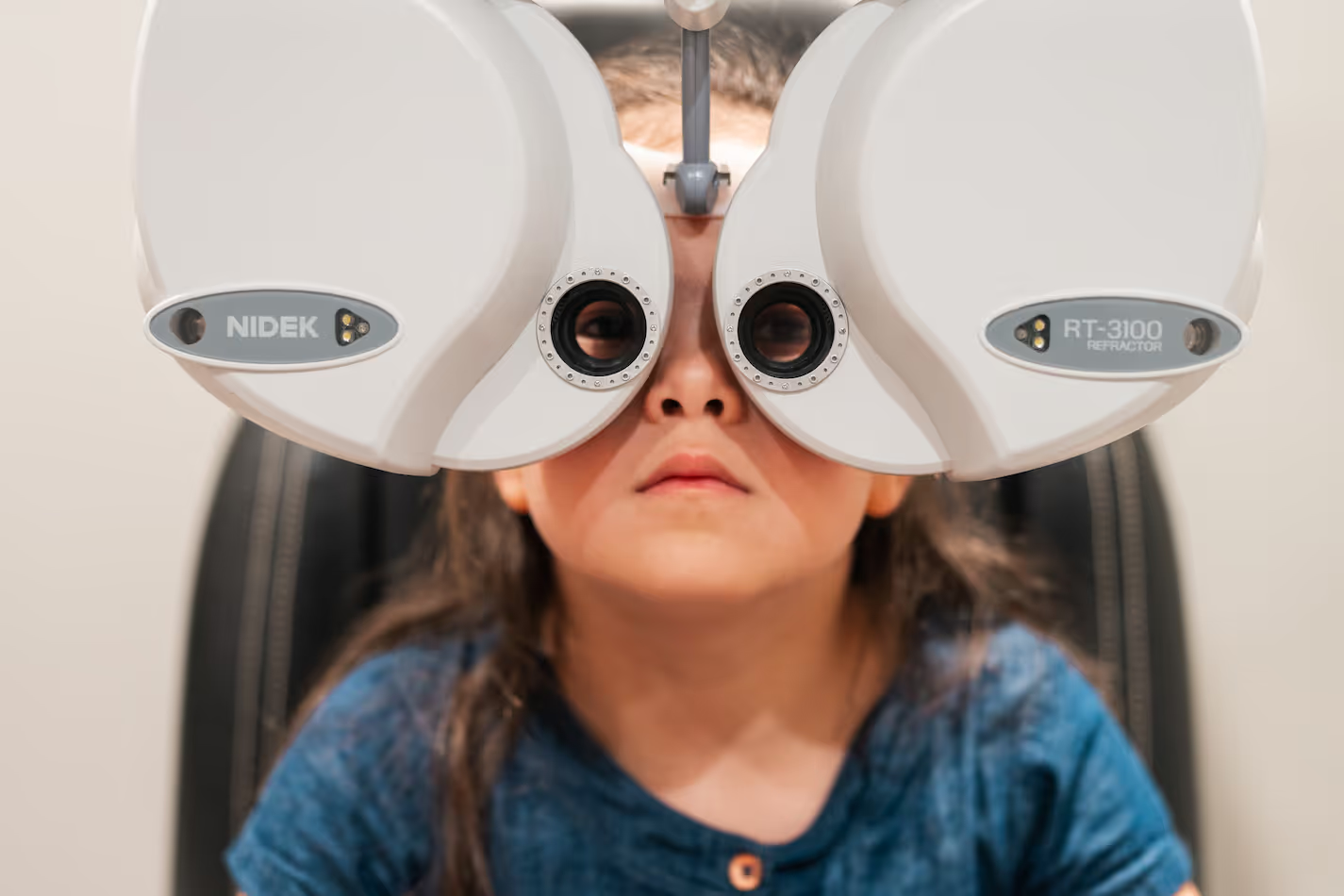
How Often Should You Get an Eye Exam? Age-by-Age Guide for Ottawa Families
Regular eye exams catch vision problems before they affect your daily life—and for children, they're essential for healthy development. Here's how often you and your family should be getting eye exams
Regular eye exams catch vision problems before they affect your daily life—and for children, they're essential for healthy development. Here's how often you and your family should be getting eye exams in Ottawa, including what's covered by OHIP.
"Do I really need an eye exam if my vision seems fine?" It's one of the most common questions we hear at Merivale Vision Care.
The truth is, many eye conditions develop gradually without obvious symptoms. By the time you notice something's wrong, permanent damage may have occurred. Regular eye exams catch these changes early, when treatment is most effective.
Here's how often you should schedule eye exams based on age, health, and risk factors—plus what OHIP covers.
Quick Answer: Eye Exam Frequency by Age
Infants & Toddlers (6 months to 5 years): First exam at 6-9 months, then at age 3, and before starting school
School-Age Children (6-18 years): Every year (annually)
Adults (19-64 years): Every 1-2 years, or annually if you wear contacts or have risk factors
Seniors (65+ years): Every year (annually)
Infants & Toddlers: Why Early Exams Matter
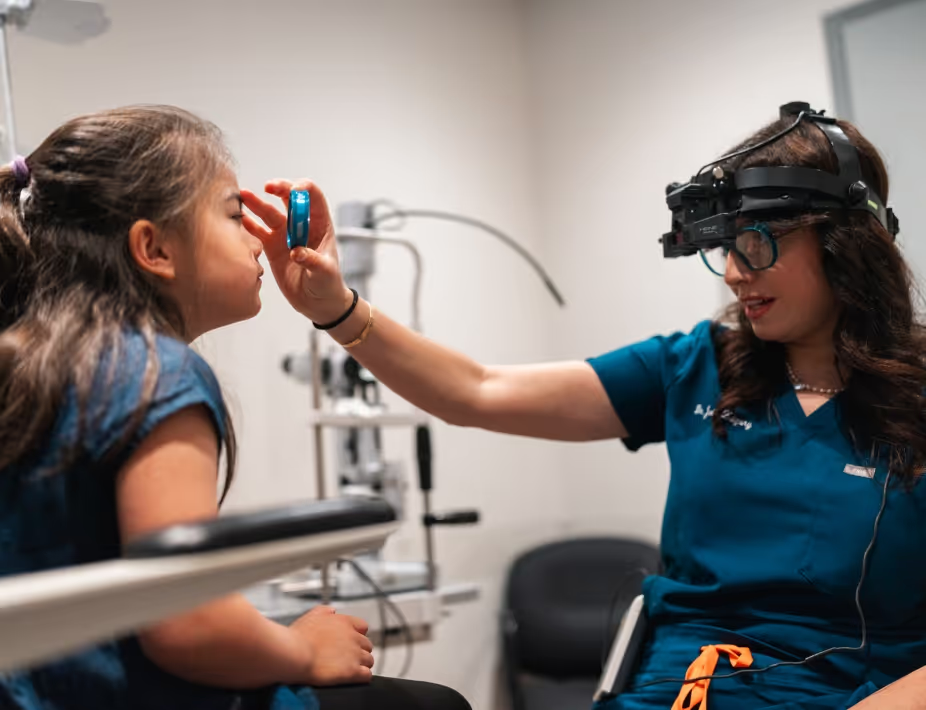
Your baby should have their first eye exam between 6 and 9 months of age. Our optometrists can assess eye alignment, tracking ability, and signs of conditions like lazy eye or crossed eyes—even though your baby can't read an eye chart.
Recommended schedule:
6-9 months: First exam
Age 3: Second exam
Before kindergarten: Pre-school exam
Early detection makes treatment simpler and more effective. Vision problems can interfere with learning to read, hand-eye coordination, and social development.
OHIP coverage: One comprehensive exam every 12 months for children 19 and younger, fully covered.
School-Age Children: Annual Exams Support Learning
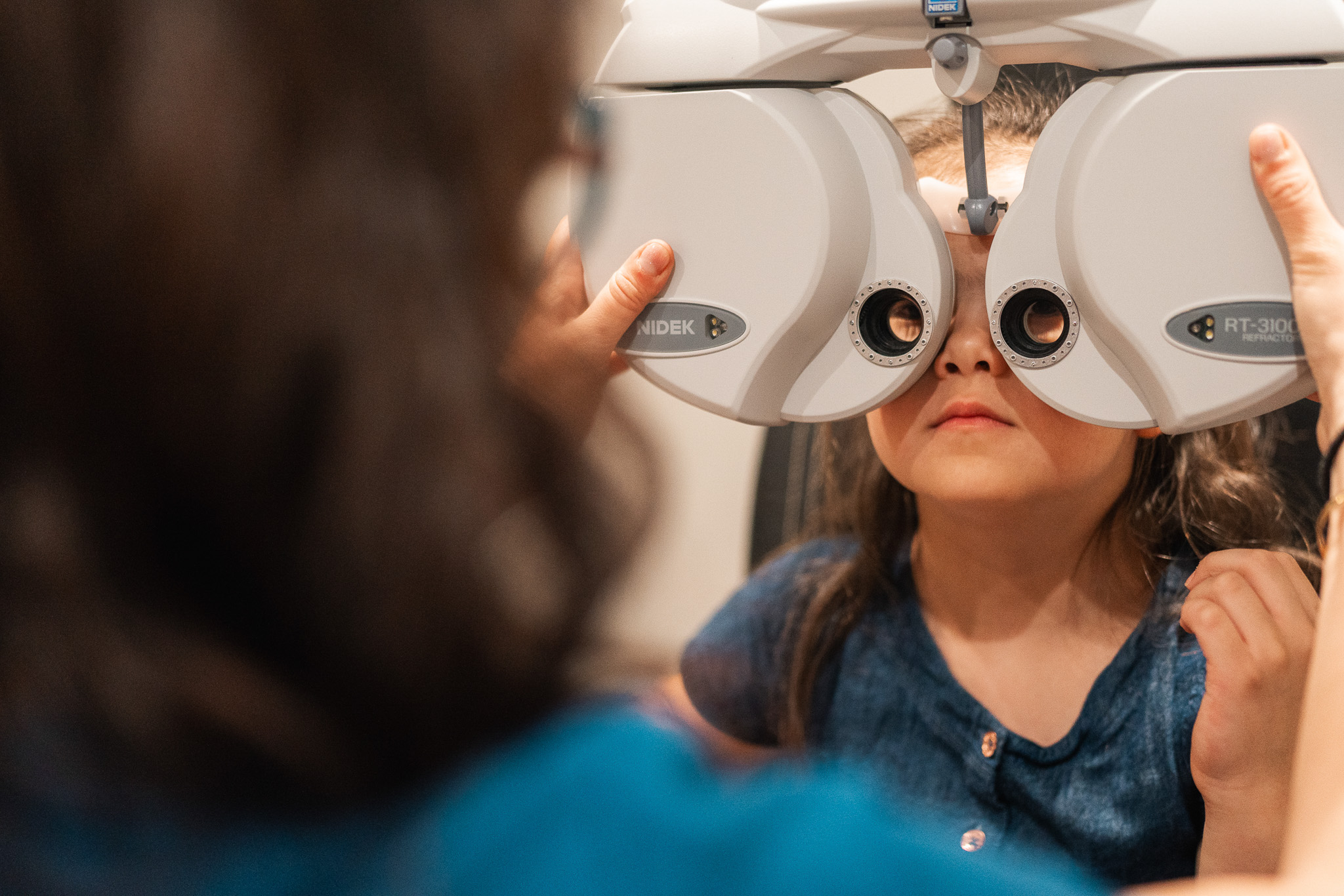
Once your child starts school, annual eye exams are essential. Vision changes quickly in growing children, and an outdated prescription can cause headaches, difficulty reading, poor sports performance, and behavioural issues.
Many children don't realize their vision isn't normal and may assume everyone sees the way they do.
Come in sooner if your child:
Squints frequently or sits very close to screens
Complains of headaches after reading
Covers one eye or tilts their head to see
Loses their place while reading
Avoids close-up work
Adults: Every 1-2 Years (Or Annually with Risk Factors)
If you're 19-64 without vision problems or health conditions, you can typically go 1-2 years between exams. But you should get annual exams if you:
Wear contact lenses (require annual monitoring)
Have diabetes (annual dilated exams prevent vision loss)
Have a family history of eye disease (glaucoma, macular degeneration)
Have high blood pressure or other chronic conditions
OHIP coverage for adults: OHIP does not cover routine eye exams for adults 20-64 unless you have a qualifying medical condition (diabetes, glaucoma, retinal disease, cataracts, corneal disease, uveitis, or optic pathway disease). If you have a qualifying condition, OHIP covers one exam every 12 months plus two follow-up assessments.
Without OHIP coverage, exams are out-of-pocket or covered by private insurance. Many people have insurance through work so bring your insurance card and we'll help maximize your benefits.
Seniors: Annual Exams Are Essential
Once you reach 65, annual eye exams become crucial. The risk of cataracts, glaucoma, macular degeneration, and diabetic retinopathy increases significantly.
These conditions often progress without symptoms—by the time you notice vision loss, damage may be irreversible. Regular monitoring allows for early treatment that preserves your sight.
OHIP coverage for seniors: One major exam every 18 months for adults 65+ (not annually), plus two follow-up assessments. If you have diabetes or another qualifying condition, you qualify for annual coverage instead.
We still recommend annual exams for seniors due to increased disease risk. The additional exam would be out-of-pocket, but early detection is worth it for your independence and quality of life.
Signs You Need an Exam Sooner
Don't wait for your scheduled exam if you experience:
Sudden vision changes or vision loss
Persistent eye pain or discomfort
Flashes of light or new floaters (especially many at once)
A curtain or shadow in your vision
Eye injuries
Frequent headaches, especially after reading
Difficulty driving at night
Double vision
These symptoms can indicate serious conditions requiring immediate attention. We prioritize urgent cases and will work to see you quickly.
What to Expect at Your Merivale Vision Care Eye Exam
We believe in taking the time to explain the value of maintaining good vision. Your comprehensive exam includes:
Health history: We discuss your vision concerns, medical conditions, medications, and family history
Vision testing: We assess your current vision and determine if you need glasses or an updated prescription
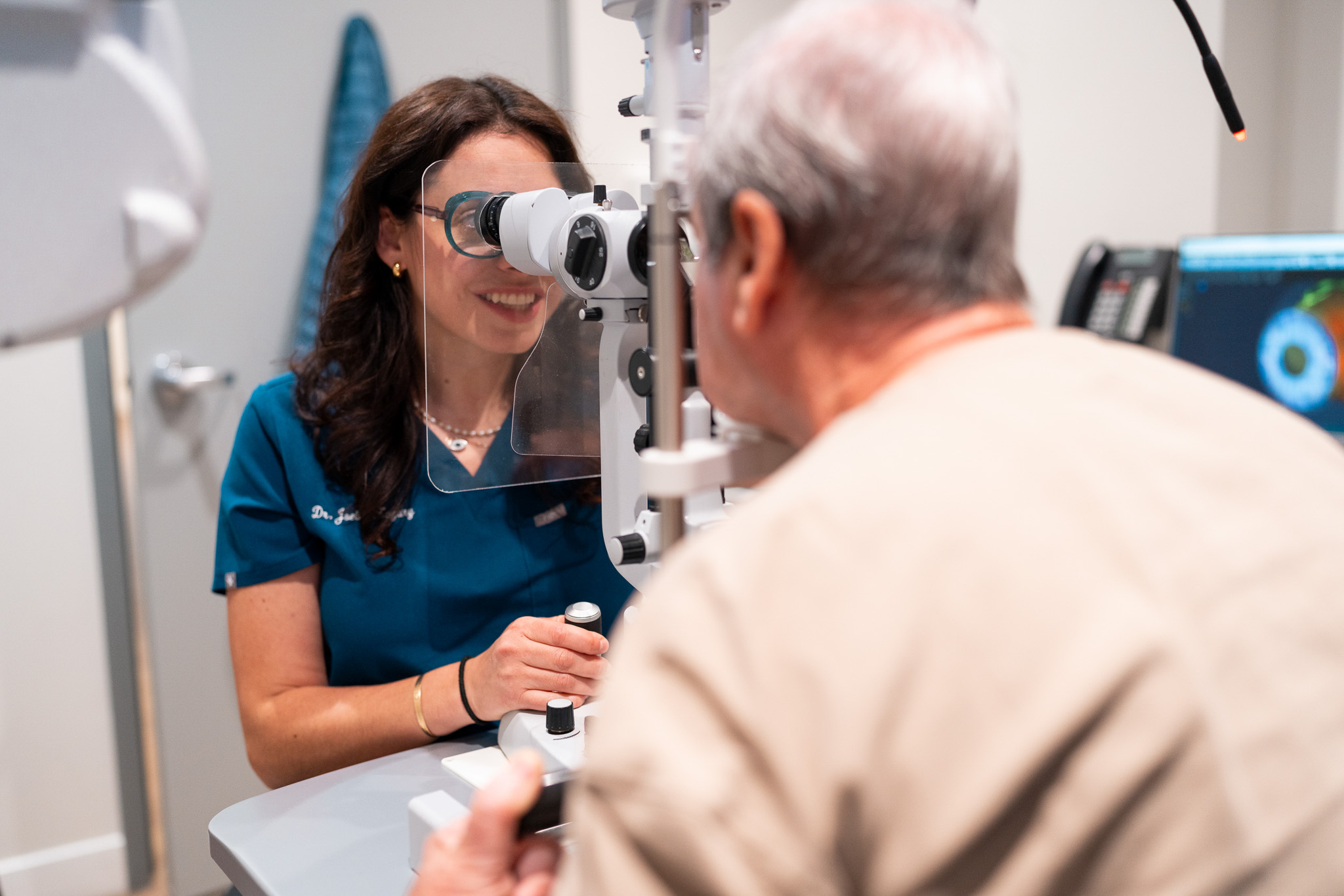
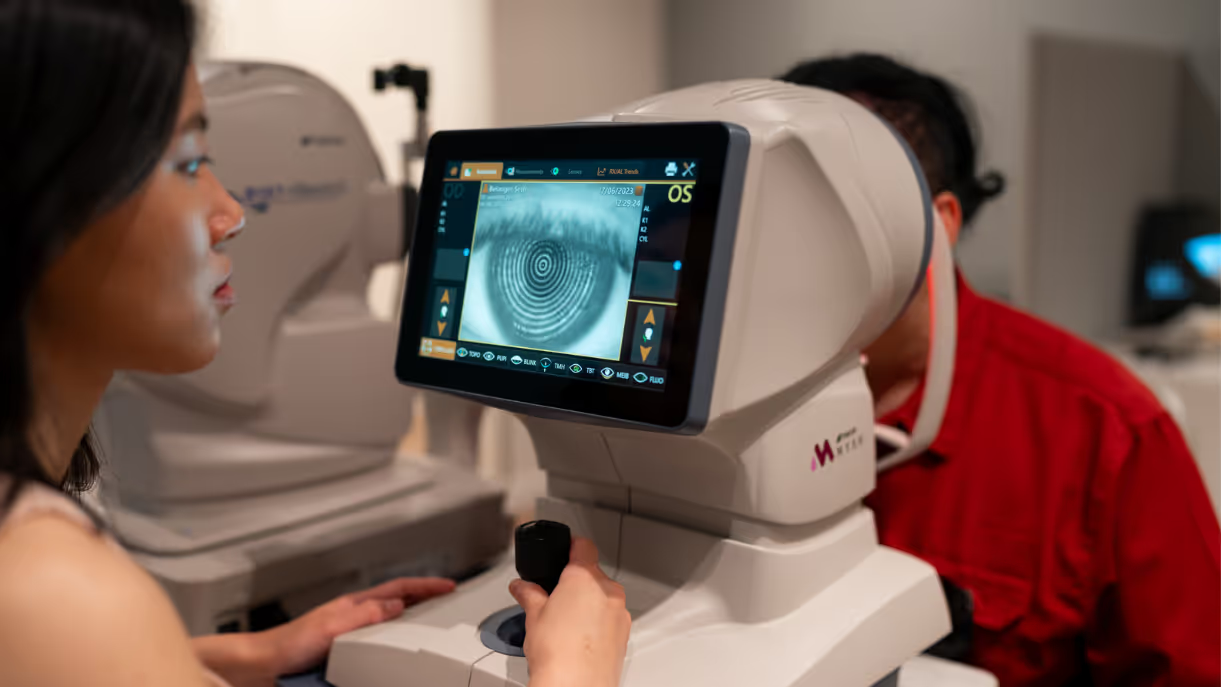
Eye health evaluation: Using Optomap retinal imaging and OCT, we examine your eye structures for disease with a biomicroscope
Discussion and recommendations: We explain our findings clearly and answer your questions
Glasses or contacts if needed: Our opticians help you select frames and lenses for your prescription and lifestyle
You come first at Merivale Vision Care. We treat every patient with respect, compassion, and kindness.
OHIP Coverage Summary
Children (0-19 years): One exam every 12 months, fully covered
Adults (20-64 years): Not covered unless you have qualifying medical conditions (diabetes, glaucoma, retinal disease, etc.). With qualifying condition: one exam every 12 months plus two follow-ups.
Seniors (65+ years): One exam every 18 months, fully covered (or annually with qualifying conditions)
Additional coverage: Many people have private insurance through work. We accept most plans and will help you maximize benefits.
Bring your health card to your appointment, and we'll handle OHIP billing when applicable.
Book Your Eye Exam Today
Regular eye exams are one of the simplest ways to protect your vision and overall health. Whether it's time for your annual exam, you're bringing your child in for the first time, or you've noticed changes in your vision, we're here to help.
Since 1987, we've brought innovative vision care to the Ottawa community. Our experienced eye doctors use the latest technology to detect eye and vision conditions early—when treatment is most effective.
This article is for educational purposes only and does not replace individualized medical advice. Eye exam frequency recommendations vary by patient. Please consult your optometrist for personalized care.



.avif)